From Afghanistan to Antarctica, this family-run business finds a way when the obvious route doesn’t exist.
There are some logistics jobs where the biggest challenge is not getting something from A to B but working out whether there is a route between the two at all.
Afghanistan: the impossible route
One of those jobs took Simon Roud and his team on a complex journey across Central Asia, moving hundreds of tonnes of highly volatile material out of Afghanistan before eventually bringing it back to the UK.
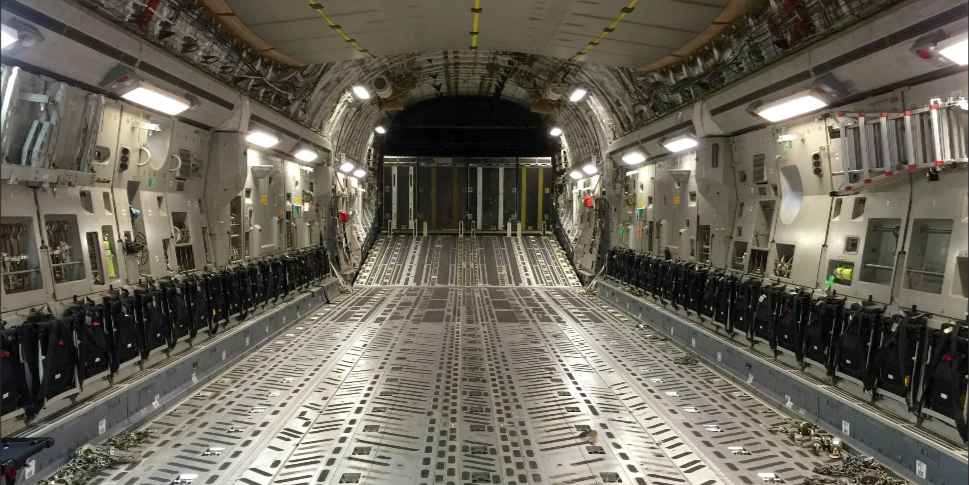
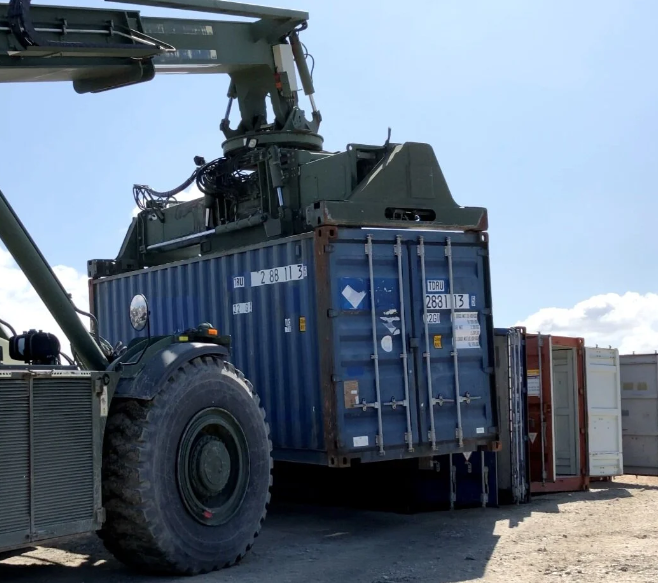
Flying it was not an option. Afghanistan was landlocked and the material required a carefully planned overland route, with every stage of the journey needing to be coordinated.
The material was moved north through Afghanistan in protected convoys, travelling from Kandahar towards Mazar-i-Sharif before reaching Termez on the border with Uzbekistan.
From there, the containers were loaded onto a chartered train for the next stage of the journey. The route crossed Uzbekistan, then continued through Turkmenistan and Kazakhstan before heading west into Europe. After around 17 days on the rail journey, the containers reached Riga in Latvia. Here, they were transferred from rail to a ship bound for the UK.
Even once the material reached England, the operation wasn’t finished. It then had to go through a further process in the UK before being transported to specialist facilities in Germany. That meant finding the right organisations to receive it, arranging the onward transport and managing the extensive documentation required for a trans-frontier shipment. This was a huge logistical operation, involving multiple countries, modes of transport and carefully coordinated handovers from start to finish.
There was no single transport company that could simply handle the whole thing. The operation depended on different specialists working together, from the people moving the material on the ground to those arranging the rail journey, shipping, processing and final disposal.
That is perhaps the best way to understand Excel Remote Zone Solutions. The company’s work reaches some extraordinary places the people involved work together to make complicated operations possible. Some details of the Afghanistan operation cannot be included here. Certain military and government work needs to remain private, so specific information about the materials, routes and operations has deliberately been left out. For Simon, that discretion is part of the job, so is trusting the people around him.
A family-built business
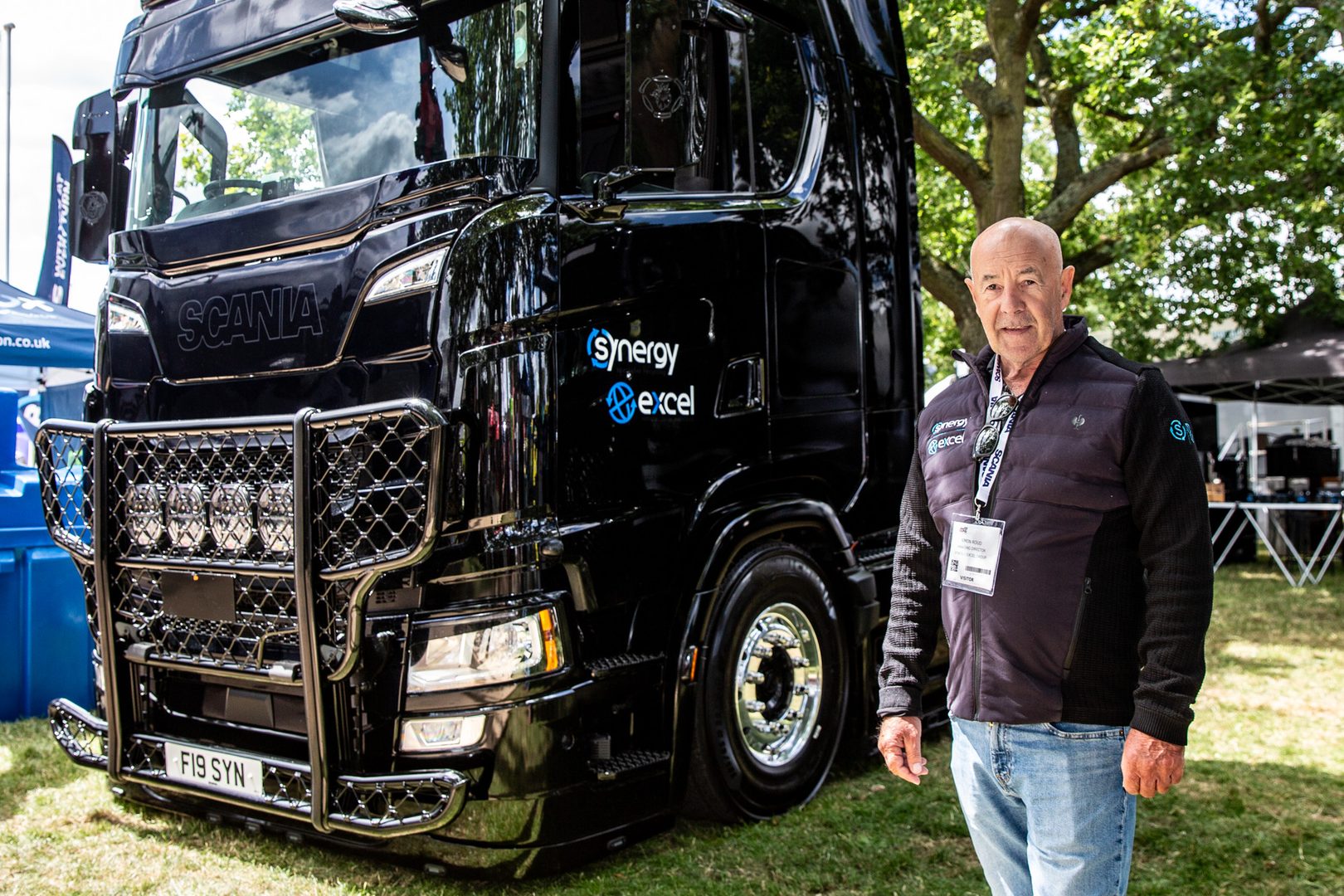
Simon had spent decades working in military logistics before he started Excel. The business began with £50, a mobile phone and a determination to make a go of it. His brother Nick was there from the beginning, along with Simon’s supportive wife, Pippa. What began as a small operation has grown considerably since then, but the family element has remained. His daughter, Jess, is Finance Director, a high-pressure role as an already large business continues to expand. His son, Sam, is Operations Director, taking on much of the travelling to difficult and remote locations. Simon jokes that Sam is the family’s James Bond. There is some truth behind the description. Sam is taking on the sort of dangerous travel and leading operations that Simon spent years doing himself, visiting difficult locations and dealing with the practical challenges that come with working in them.
The people behind the adventures
Simon is very clear that the business could not operate on the strength of one person. The jobs require people who are prepared to put the work in, think through problems properly and communicate with each other. Experience is important, but so is having the right attitude when plans change or something unexpected happens.
The company’s Transport Manager is one example. He has a specialist military background which becomes particularly valuable when the work takes the team into places where there is little margin for error. The drivers themselves are highly experienced, with many years of specialist transport work behind them. Other operations bring in people with expertise in areas such as chemistry, waste management, engineering and compliance. Much of the planning happens well before anyone travels anywhere. A job can involve identifying the material, finding the right facility, establishing the paperwork needed to move it between countries, arranging the vehicles and equipment, considering security and working out what happens if one part of the plan changes. Trans-frontier shipment documentation alone can take months to prepare. Excel has developed a network of specialist organisations across Europe for exactly this reason, allowing the team to identify the right destination for different materials and waste streams.
The journey doesn’t end there…
Excel’s expertise doesn’t stop when a hazardous load reaches its destination. Through its wider network, including the family’s second business, Synergy Recycling, the team can also arrange the safe disposal and recycling of hazardous waste in the UK.
Lithium is a particular area of expertise. Used extensively in commercial batteries and other specialist applications, lithium presents significant challenges when it reaches the end of its useful life. Its highly reactive nature means it requires specialist handling, transportation and disposal, with facilities equipped to deal with the extreme conditions involved in destroying it safely. For customers, that means Excel can look beyond simply moving a hazardous material from one location to another. The team can plan the journey, arrange the necessary transport and documentation, and connect the material with the appropriate specialist facility, creating an accountable audit trail through to its final disposal. Their end-to-end approach is particularly important when dealing with material that many conventional transport companies will not handle. For Excel, the question is not simply can we move it, but where does it need to go, and how do we make sure it gets there safely?
When the destination is almost off the map
The scale of some of Excel’s current work is difficult to appreciate until you consider just how remote some of these locations really are. Ascension Island is a good example. Sitting in the middle of the South Atlantic, thousands of miles from the UK and with no conventional supply chain around it, getting people and equipment there is an operation in itself. Excel can rely on military refuelling tankers to make the journey possible. Even getting to the starting point of a job can therefore require careful coordination, specialist transport and a degree of flexibility that simply would not be necessary on a normal logistics operation.
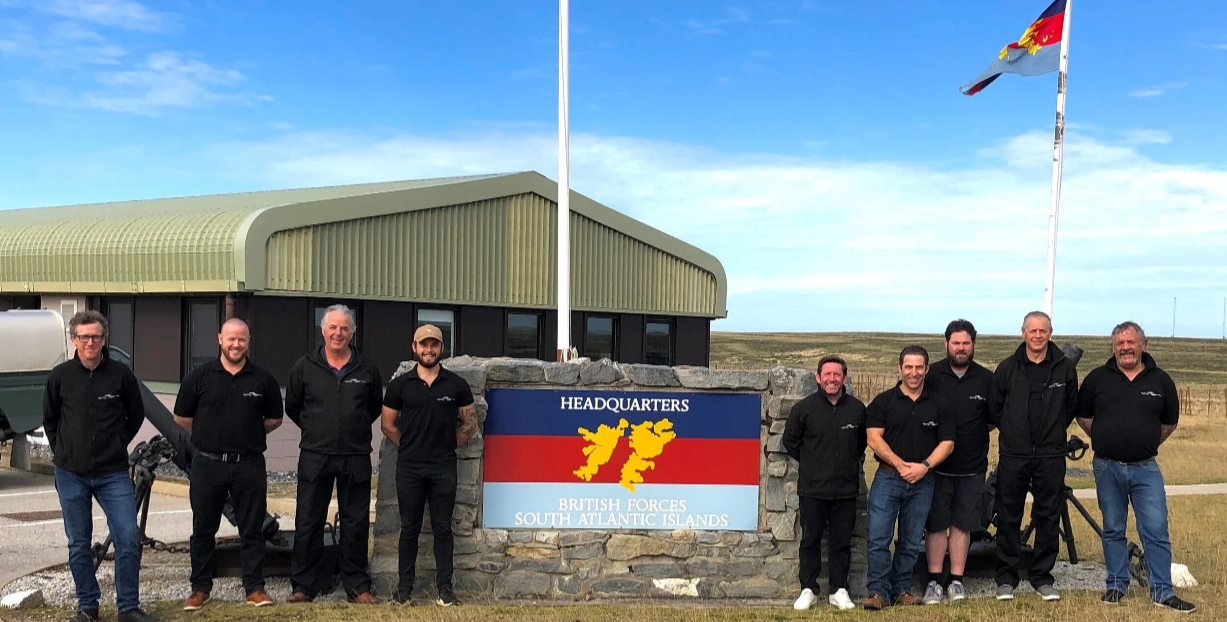
rojects in places such as the Falkland Islands can mean working in weather that would stop most people in their tracks. Hail can be driven horizontally by winds reaching 50 to 100mph, while the terrain, isolation and lack of immediate support all add another layer of risk. Large machinery brings its own challenges. Anyone working outside a vehicle has to be aware of the wind direction and remain upwind of certain machinery and operations. When huge pieces of equipment are moving around in exposed conditions, there is very little room for complacency. These expeditions come with environments where the equipment, the weather and the people all have to be factored into the logistics plan.
Parallel thinking applies to the work connected with Antarctica, including the team’s involvement with operations where they’ve been fortunate to utilise the RRS Sir David Attenborough, the UK’s polar research and icebreaking vessel. The ship itself is designed to operate in one of the most demanding environments on Earth. For a logistics company, supporting work connected with Antarctica means thinking several steps ahead. Equipment, materials and people cannot be easily replaced at short notice. The consequences of something being missed are considerably greater when the nearest alternative is thousands of miles away. That is where Excel’s experience in remote logistics becomes particularly valuable, Simon will often take two of everything to utilise parts if one piece of equipment should break down.
A passion for machinery
There is another part of the Roud family story that helps explain the interest in vehicles and engineering. Simon has been involved in racing since he was 10 years old. These days, his involvement is more a case of racing by proxy, supporting via his team and drivers rather than necessarily being the one behind the wheel. His team was recently at Goodwood with world champions Glen English and Troy Bayliss, with filming taking place throughout the weekend. The interest in racing sits comfortably alongside the work Excel does. There is a genuine mechanical interest within the family, along with an appreciation for engineering, preparation and the people who make a successful team work. That same enthusiasm is obvious in the trucks.
Trucks that actually work
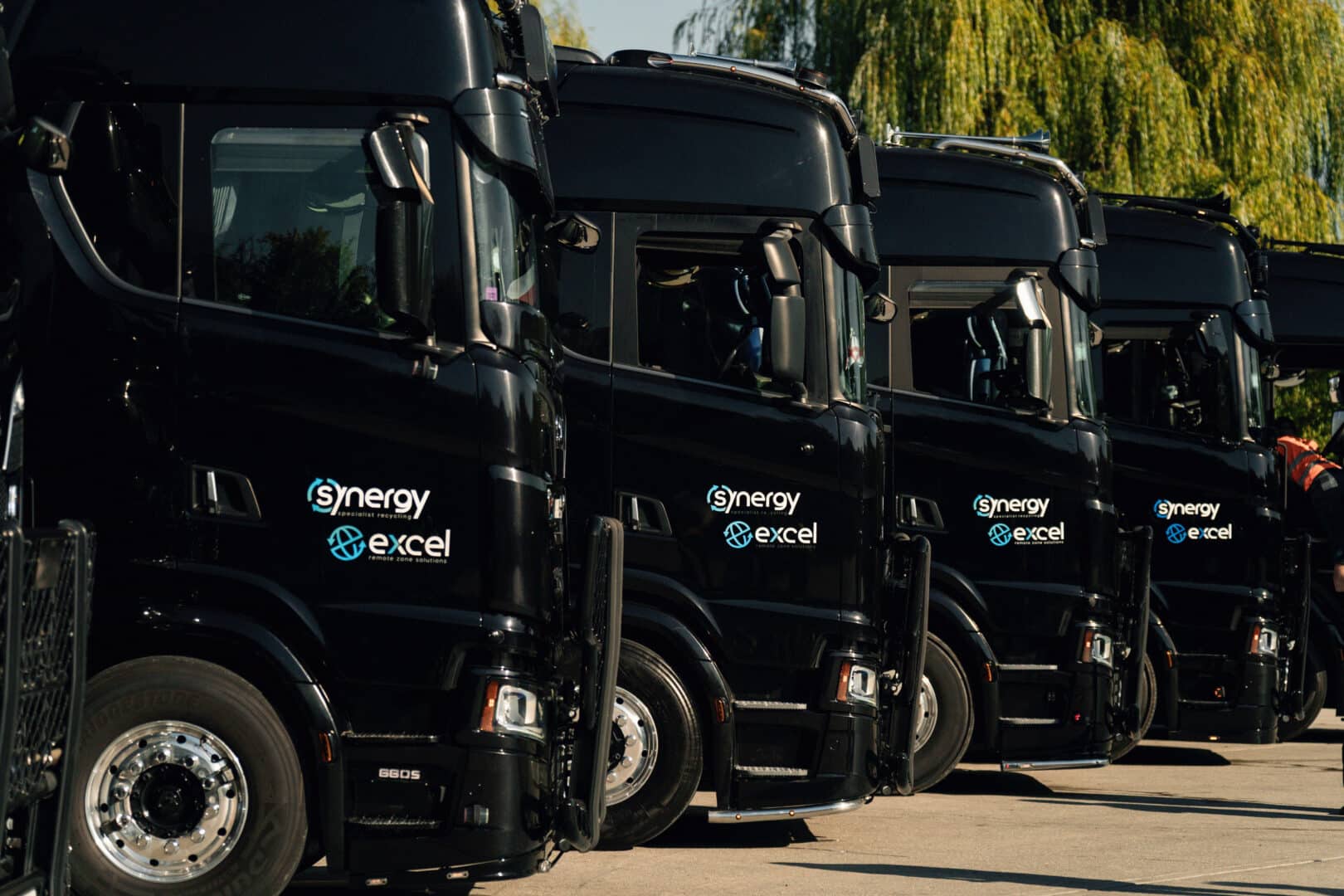
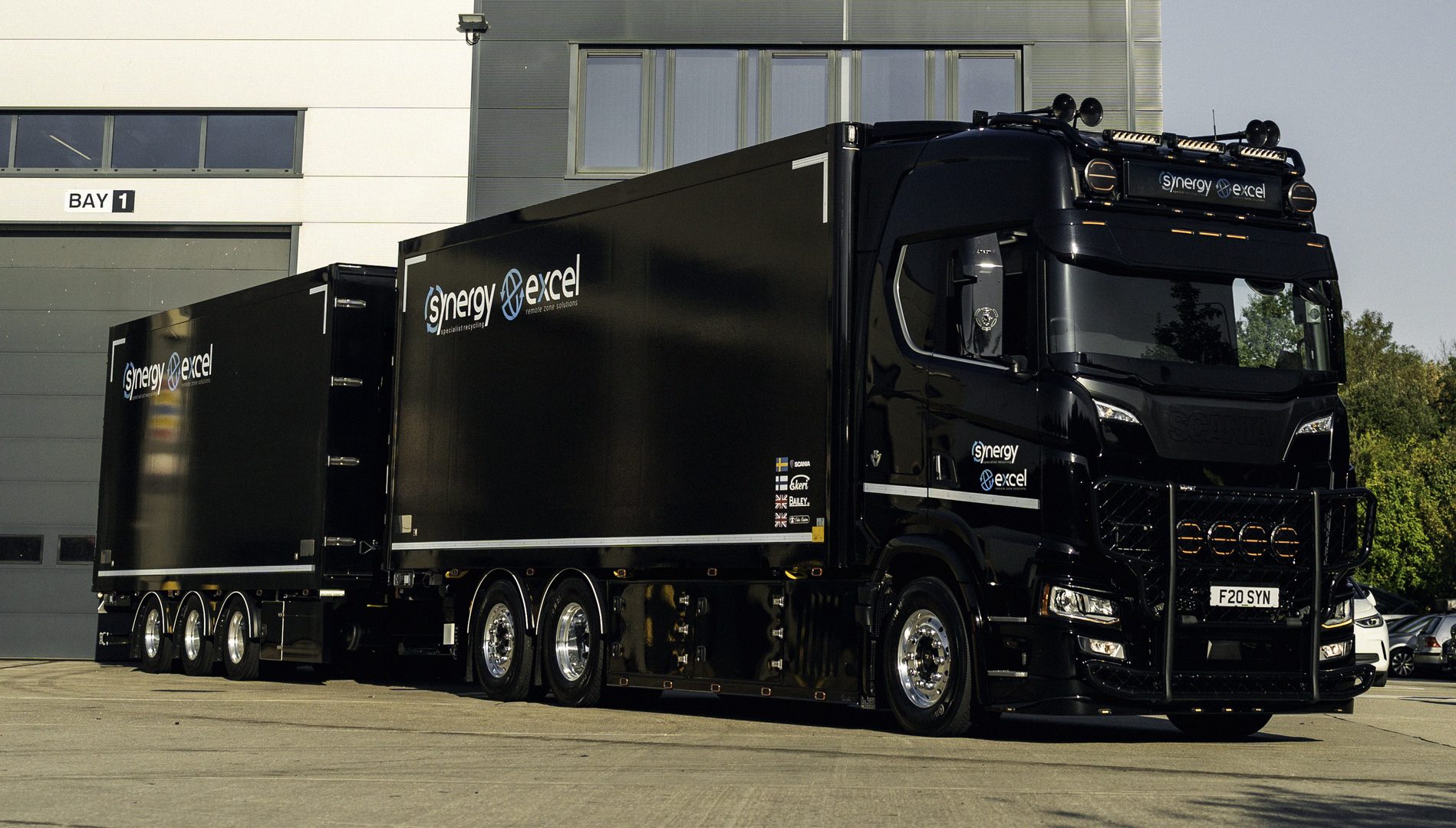
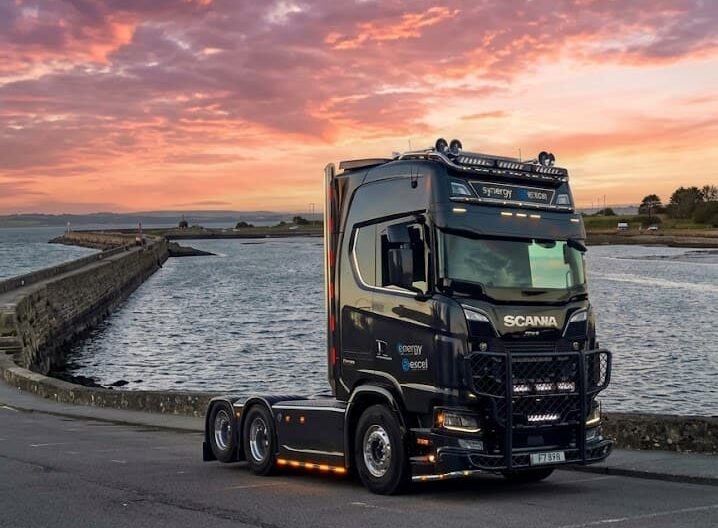
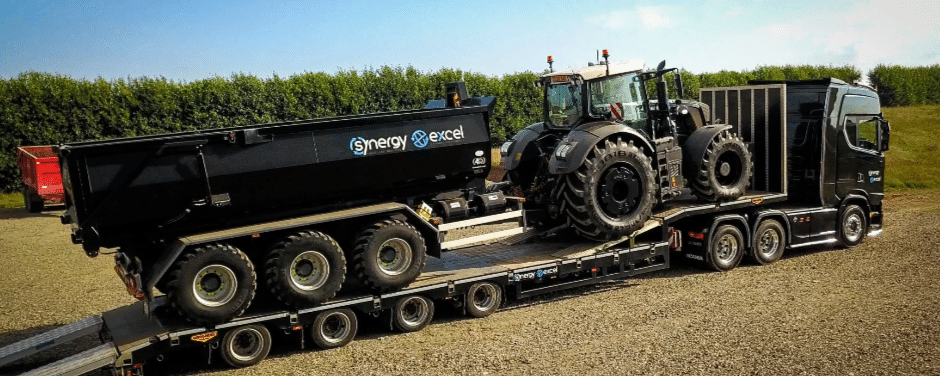
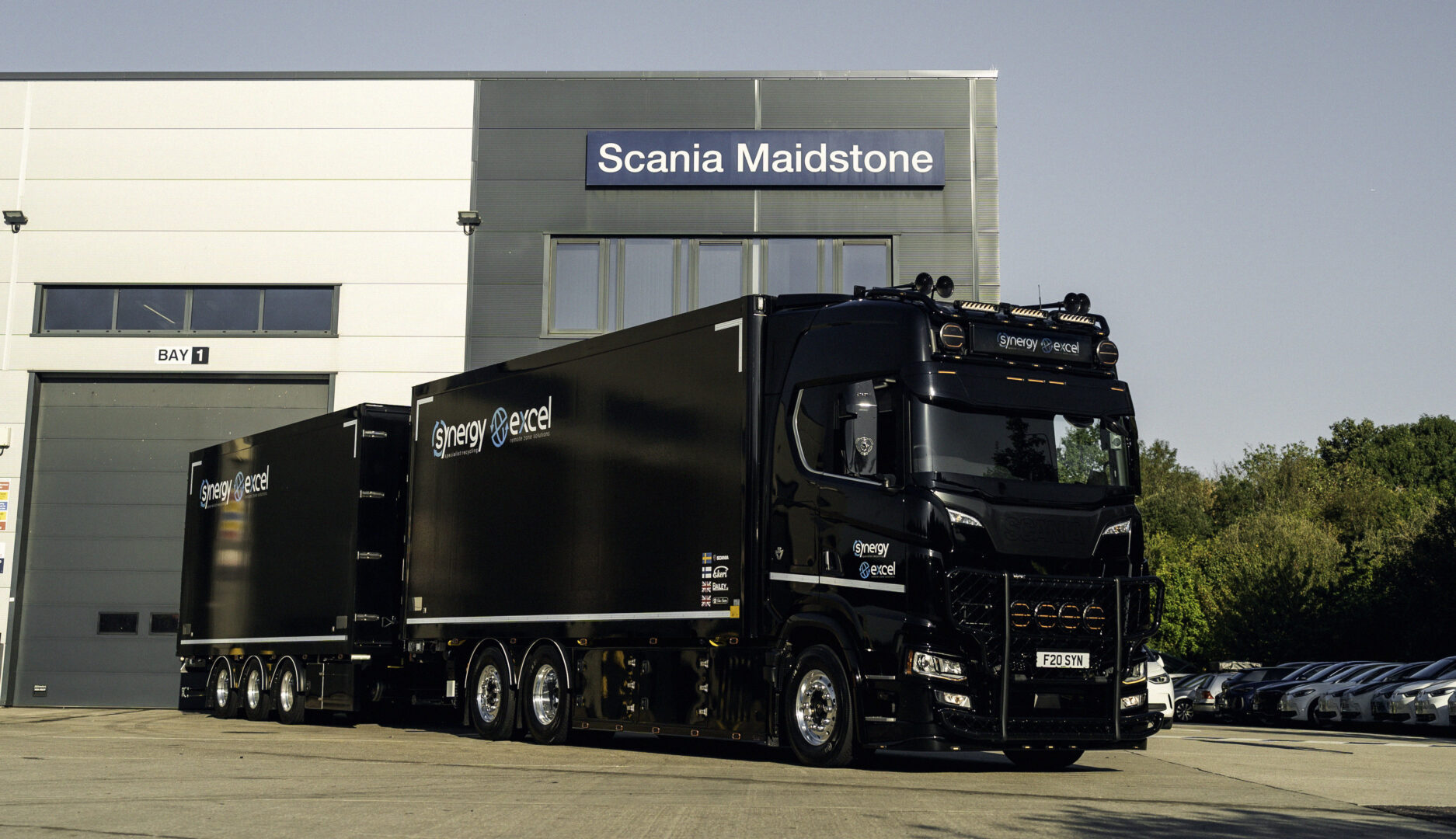
The Scania fleet attracts attention wherever it goes. The vehicles are carefully presented and heavily modified, with a level of detail that would not look out of place at a truck show. The important thing for Simon, though, is that they remain working vehicles. They go to difficult sites, travel long distances and get used for the work they were built to do. The fact that they look good is something the drivers and the wider team take pride in, rather than the reason they exist.
Bailey Ltd. has become an important part of that side of the business. Ricky Tilley, a Director at Bailey, works with Julian Jarvis and the wider team on the bespoke modifications.The relationship is collaborative. Simon brings ideas to the table and the Bailey team works with him to determine what can actually be achieved.
The latest vehicles demonstrate just how involved those projects can become. One current drawbar combination has involved a chassis cab being built in Sweden before travelling to Finland for further work at Ekeri, specialists in side-opening box trailers. The finished vehicle will include a box body with side-opening doors and a tail lift, together with a second body and tail lift on the trailer. There is also the practical matter of getting a highly specialised vehicle through the certification and registration process. A vehicle built to such an unusual specification has to go through Individual Vehicle Approval (IVA) and, where required, further assessment by the Vehicle Certification Agency (VCA) before it can be registered. The process can take months, with some builds taking several months. That is another example of how little of this business is straightforward.
The Scania model
Designed, fabricated and fitted in-house by Bailey
- Bespoke aluminium components fabricated from flat sheet
- Welds sanded and filled before painting for a seamless finish
- Bespoke headboard and smooth rear panel
- Bailey Stealth perimeter kit
- Bespoke side bars and mirror guards
- Custom light bars and three-way colour-change lighting
- Air horns and RGB underglow
- Twin-pipe side-exit exhaust
- Aluminium rear bumper and wing infills
- Two-bar chequer-plate catwalk
- Toolbox module with slide-out drawers
- Inverter and cab sockets for the driver
- Deep visor, lower visor, splitter and corner deflectors supplied by Coles Customs
- Custom interior by Rusty’s Truck Interiors
- Bespoke flooring, door cards, roof lining and bunk panels
- RGB-lit interior logos
- Logos painted directly onto the vehicle rather than applied as stickers
- Blue sparkle detailing incorporated into selected areas
- Interior plastics and cupboards smoothed and painted to complement the custom interior
The result?
A truck designed to catch the eye at a show but built to go straight back to work when the lights go out.
What comes next?
Excel has recently taken on land for another depot, another significant step for a business that began with a family taking a chance on an idea. Today, Jess and Sam Roud represent the next generation, working alongside a much larger team with the experience to tackle whatever comes next. More projects are already being planned, although some will remain confidential.
The challenging locations make fantastic tales, and the trucks provide another visible part of the business. However, the underlying story is the people: a team built around experience, trust and the determination to find a practical answer when the obvious route doesn’t exist. There’s quite literally no mission impossible to the solution finding Excel team.