Real-world trials, projected savings and a long-standing partnership are helping a UK logistics operator plan its transition to electric HGVs, with Centurion Truck Rental supporting the process from vehicle demonstrations to contract hire and ongoing fleet support.
The move to electric HGVs involves much more than replacing a diesel engine with an electric one. Fleet operators need to understand how vehicles perform in real working conditions, how the costs compare and whether the technology fits the demands of their operation. For one of Centurion Truck Rental’s long-standing customers, those questions are already being explored. With emissions targets to meet and a longer-term ambition to transition its fleet towards electric, the business has been testing vehicles, assessing the financial implications and investigating new approaches to refrigerated transport. Centurion has been working alongside the customer throughout this process, helping them compare options and build a clearer picture of what a commercially viable transition could look like.
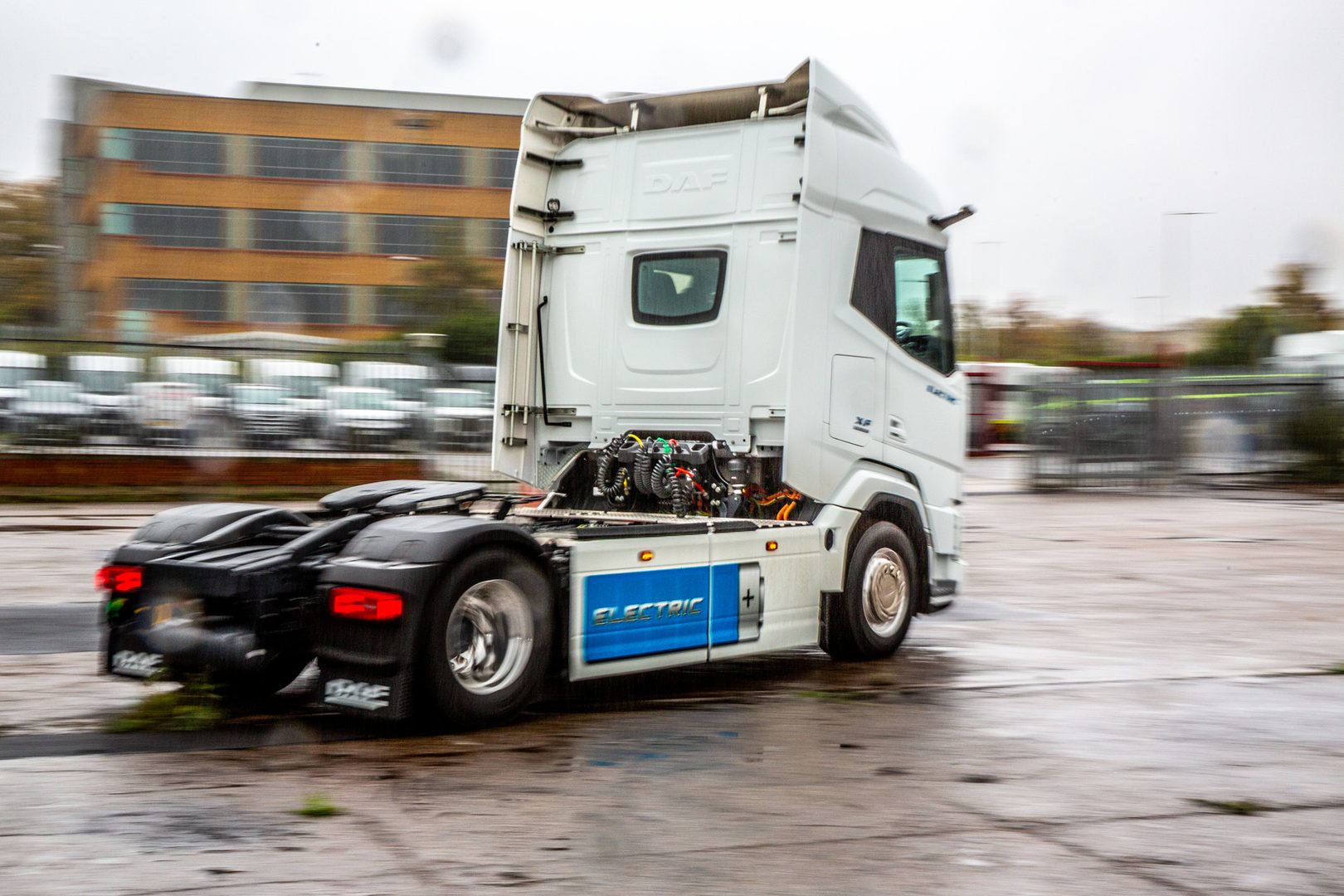
An example of an electric vehicle trialled by the customer.
Putting electric trucks to the test
Choosing the right electric HGV starts with understanding how it will perform in the real world. Range, payload, charging requirements and driver experience all influence whether a vehicle is suitable for a particular operation. To help establish what works best, Centurion has arranged demonstrations of electric trucks from several leading manufacturers. The trials have given the customer an opportunity to assess different models in practice, gather feedback from drivers and compare how the vehicles meet its operational requirements.
Initial feedback has been positive, with some models proving better suited to the business than others. That experience is helping narrow the options and inform the next stage of planning. Rather than relying solely on manufacturer specifications or headline performance figures, the customer can draw on practical experience of the vehicles themselves. Centurion’s involvement brings the different options together, helping the business assess which vehicles are worth considering as its fleet strategy develops.
The numbers behind the decision
Alongside performance, the financial case is a major consideration. An electric truck needs to make sense commercially as well as operationally, particularly when a fleet is covering substantial annual mileage.
The customer’s vehicles have a high annual mileage. Initial calculations suggest that switching to electric could deliver projected savings of around £120,000 per truck over a 6.5-year contract hire period, compared with operating a diesel equivalent of the model the business would typically use.
The comparison considers estimated electricity costs against diesel, differences in contract hire costs and the contribution of the government’s Zero Emission Truck Grant towards the cost of an eligible electric HGV. The grant is included in the £120,000 projection, rather than being an additional saving. Under the current scheme, eligible trucks weighing more than 26 tonnes can qualify for a grant of up to £81,000, subject to the scheme’s criteria and funding limits. Based on the vehicles and operating assumptions being assessed, the figures suggest that lower energy costs, contract hire pricing and government support could combine to make electric a compelling commercial option. The projected saving is specific to this comparison and should not be assumed to apply to every fleet. With the financial case looking encouraging, the next step is to explore how the right contract hire arrangement could support the customer’s longer-term plans.
A contract hire partner for a changing fleet
Moving towards electric involves looking at the financial structure, maintenance provision and practicalities of keeping it on the road over the contract period. Centurion is working with the customer to explore contract hire options that reflect these requirements. This includes considering how the vehicles would be maintained and supported, alongside the wider operational implications of introducing a different technology into the fleet.
Electric vehicles have fewer moving parts requiring routine replacement than their diesel counterparts, which can reduce certain maintenance requirements. However, they also bring different considerations, including specialist repair needs, technician expertise and charging infrastructure. Understanding the balance is essential when assessing the full cost of operating an electric truck. Contract hire provides a way to structure vehicle provision and maintenance around the needs of the business, without treating the initial purchase price as the only financial consideration. The right arrangement will depend on the vehicles selected, their intended use and the support required throughout the contract.
As electric technology and the commercial market continue to develop, flexibility matters too. Centurion works across different vehicle types and requirements, allowing customers to assess electric, diesel or a combination of technologies according to what best suits their operation. The aim is to find a practical solution for the business, rather than assume one approach will work for every fleet.
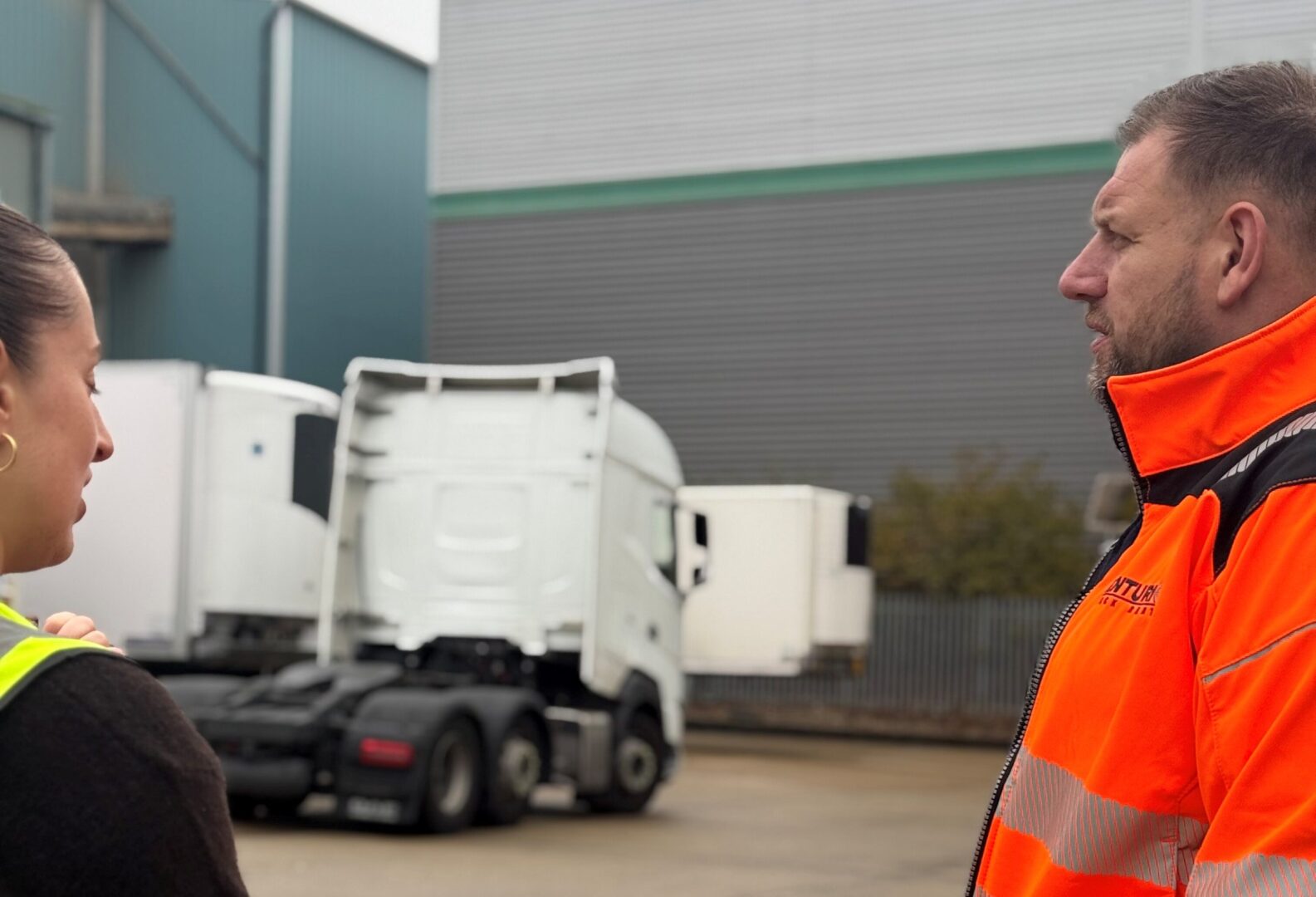
Maurice support the customer with regular face-to-face meetings and site visits
Looking beyond the truck
The move towards electric extends beyond the truck itself. For operators running refrigerated trailers, the energy required to keep goods at the correct temperature is another important consideration, making the trailer’s technology part of the wider conversation.
Our customer already uses Carrier Transicold’s Vector eCool system, which uses energy recovered from the trailer axle and braking to help power an all-electric refrigeration unit. The recovered energy is stored in a battery, removing the need for a conventional onboard diesel engine to power the refrigeration system. More recently, the customer has begun trialling a refrigerated trailer from Sunswap. Its design combines aerodynamic features with solar panels that provide an additional source of energy, offering another approach to reducing reliance on conventional power sources. With the Sunswap trial adding to the customer’s existing experience of electric refrigeration, the focus is on understanding how different technologies perform in practice and what they could offer the operation. The truck, trailer and refrigeration unit all contribute to the overall running costs, so looking at the complete combination provides a more rounded picture of the potential benefits. This wider approach reflects the work taking place across the fleet. By assessing vehicle performance, energy costs and trailer technology together, the customer can build on what is already working while evaluating new options for the longer term.
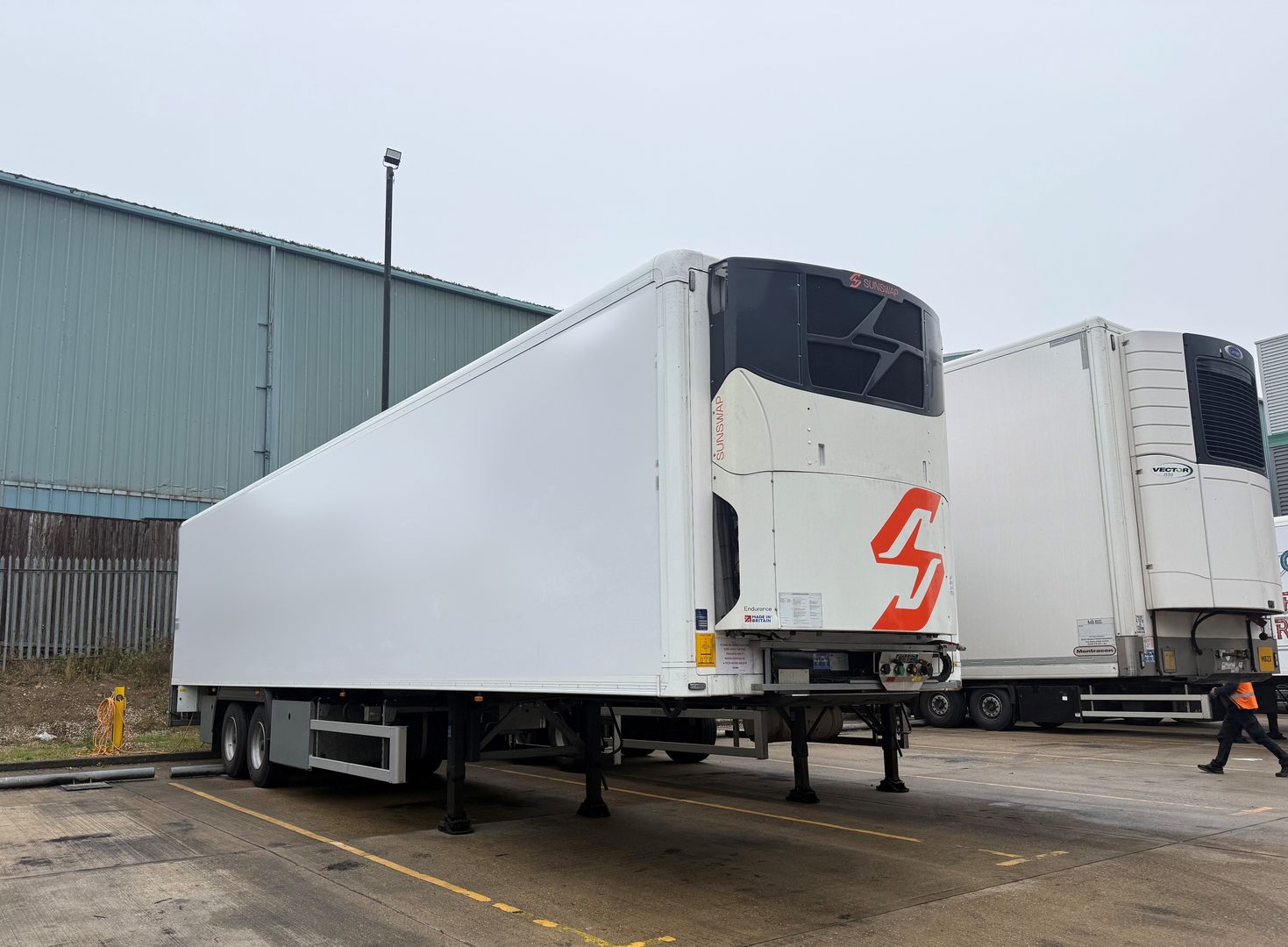
Sunswap trailers in use by the customer.
Support that goes beyond the vehicle
Technology and financial modelling are important, but a successful fleet strategy also depends on the people supporting it. Centurion’s relationship with the customer extends well beyond supplying vehicles. Maurice, Centurion’s Maintenance and Engineering Manager, meets with the business and its service providers throughout the year, helping address compliance requirements, legal queries and engineering matters. These regular conversations provide an opportunity to resolve issues, coordinate the people involved and keep the operation running efficiently. They also help Centurion understand the customer’s changing requirements, rather than waiting for a problem to arise. That ongoing contact becomes particularly valuable as new technologies are introduced. Electric HGVs can bring different maintenance requirements, specialist support needs and operational considerations, all of which need to be understood alongside the vehicles themselves. Having an established relationship means those discussions can build on an existing understanding of the business. It gives both parties a practical starting point for assessing new options and working through the questions that come with change.
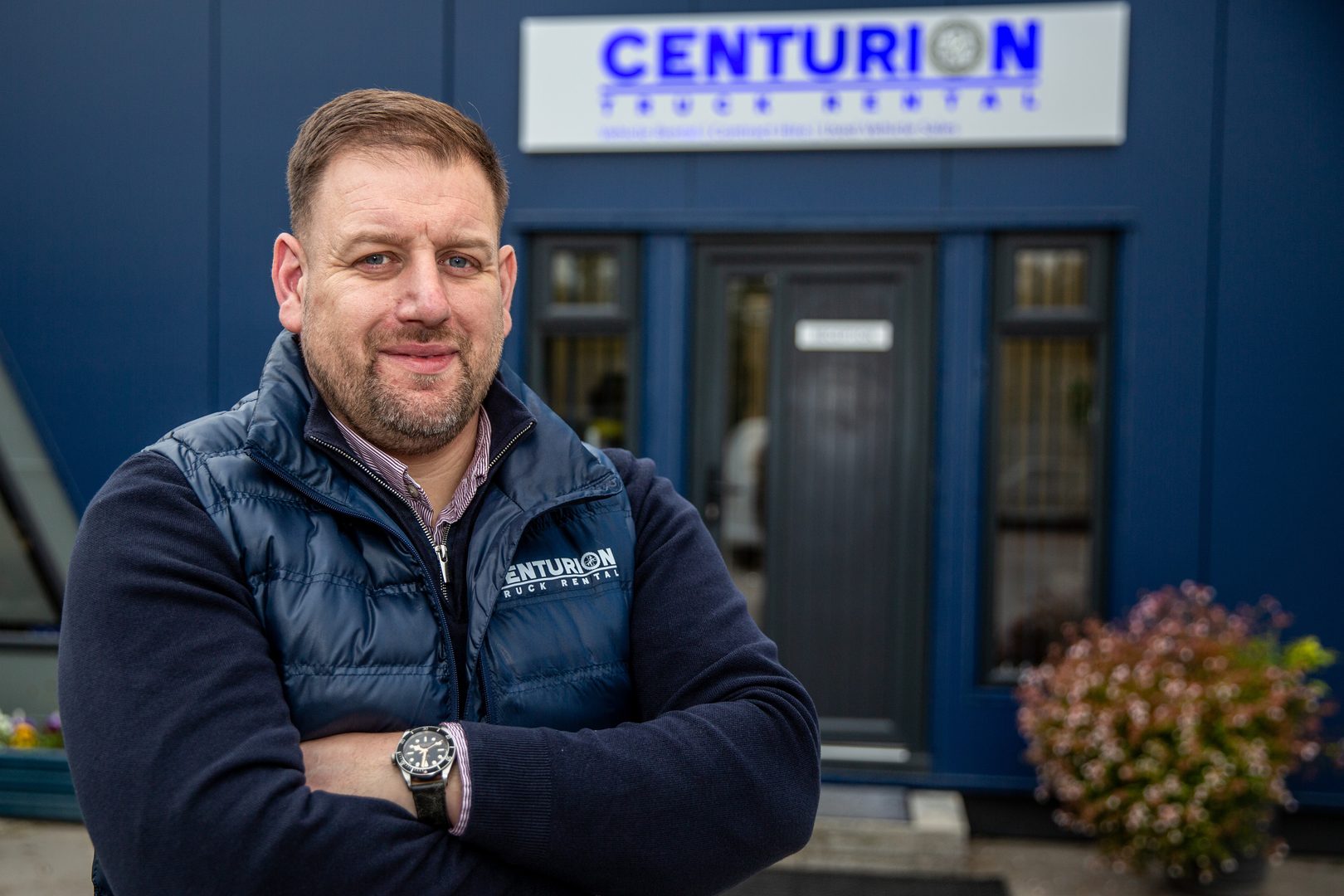
Maurice Thornton, Fleet Maintenance and Engineering Manager
Planning for the long term
Our customer is already ahead of its emissions reduction targets, with a longer-term ambition to transition its fleet entirely to electric as part of its ongoing commitment to decarbonisation. Reaching that point will require a considered approach, with decisions made as technology, infrastructure and commercial opportunities evolve. The trials have provided encouraging driver feedback, while the financial projections offer a clearer starting point for assessing the business case. The work on refrigerated trailers is also helping the customer look at the wider operation, rather than considering each vehicle in isolation. There is still planning to do, but the experience gained so far is helping turn a long-term ambition into a more practical proposition.
Centurion’s role is to help the customer make informed decisions at each stage, bringing together vehicle demonstrations, commercial assessment, contract hire options and ongoing support. As requirements change, the focus remains on finding the right solution for the operation, whether that involves electric vehicles, diesel or a mix of both.
With a major fleet transition on the horizon, Centurion is helping turn ambition into a practical plan, combining real-world experience, commercial insight and ongoing support to help the customer make informed decisions as its needs evolve.
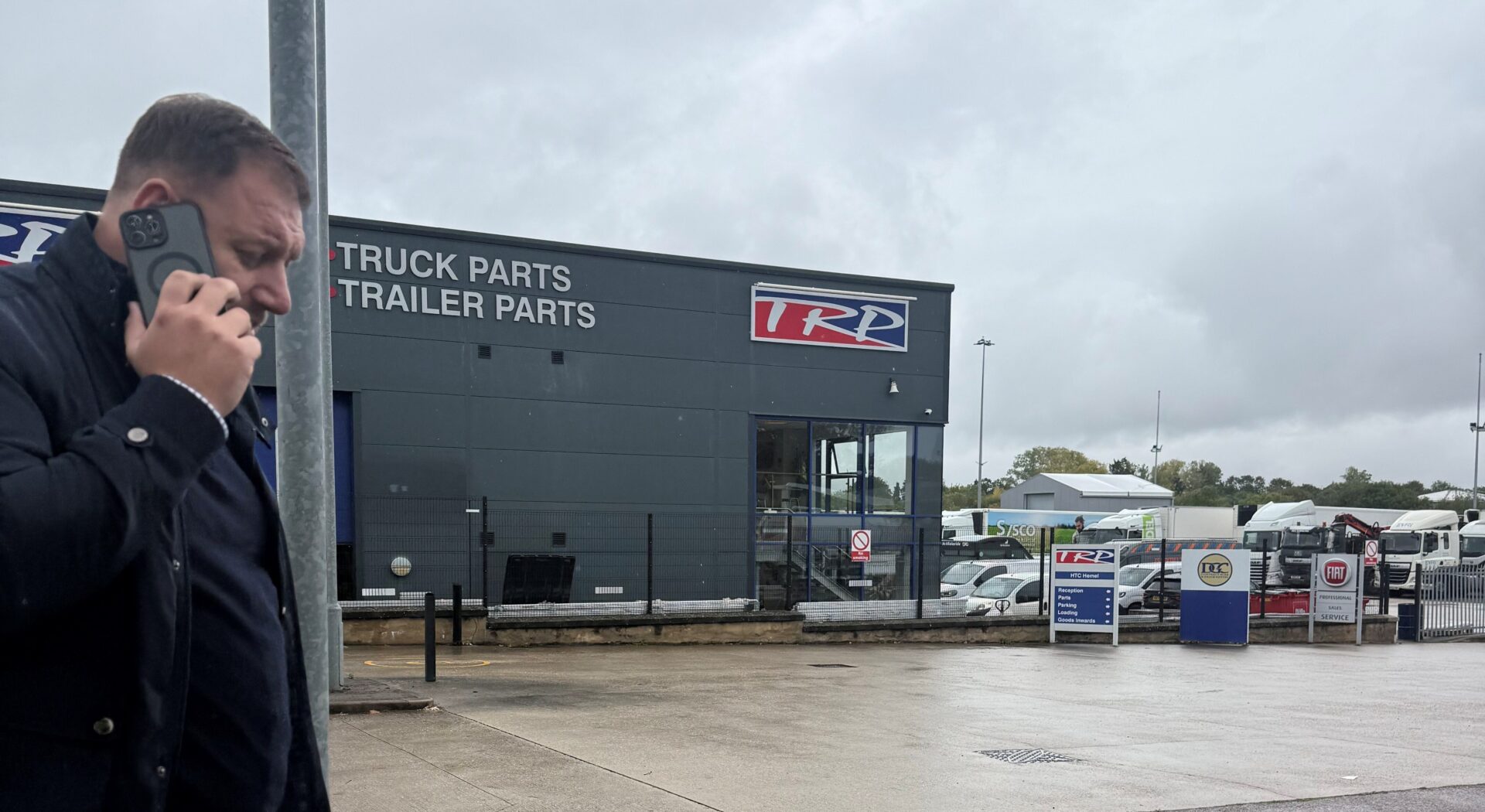
Maurice engaging with one of Centurion’s service providers