Harry Dennis was 11 years old. He was warm, friendly and a fun, central character in his family. He should still be here.
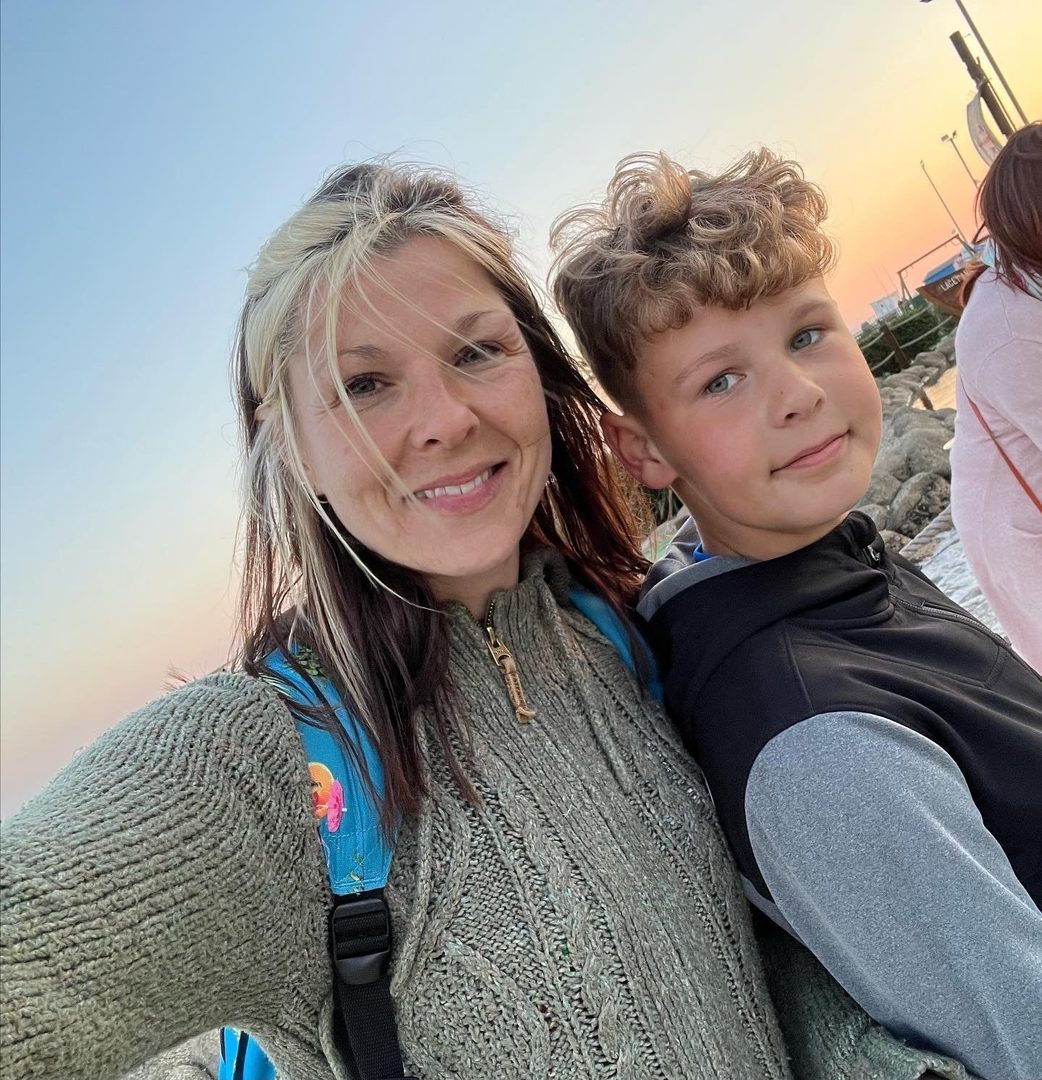
Maria and Harry
Harry was travelling in the front passenger seat of a car in Hooe, East Sussex, when a scaffolding board fell from a passing Ford Transit flatbed van and struck their car. Harry suffered serious injuries and died days later.
The van was being driven by a 34-year-old man who had no previous accidents in 19 years of driving. Investigators found that the scaffolding boards had not been properly secured. They were clamped at one end by a metal pole, with no straps, net or tarpaulin to prevent them from moving. One board became suspended at an angle, extending across the opposite carriageway, leaving Lee with no time to react. The driver admitted causing death by dangerous driving and was sentenced to four years in prison at Lewes Crown Court.
For Harry’s family, no sentence could undo the loss. His mum, Maria Dennis, has since chosen to speak out about load security, hoping that by sharing Harry’s story, another family might never have to experience the same devastation.
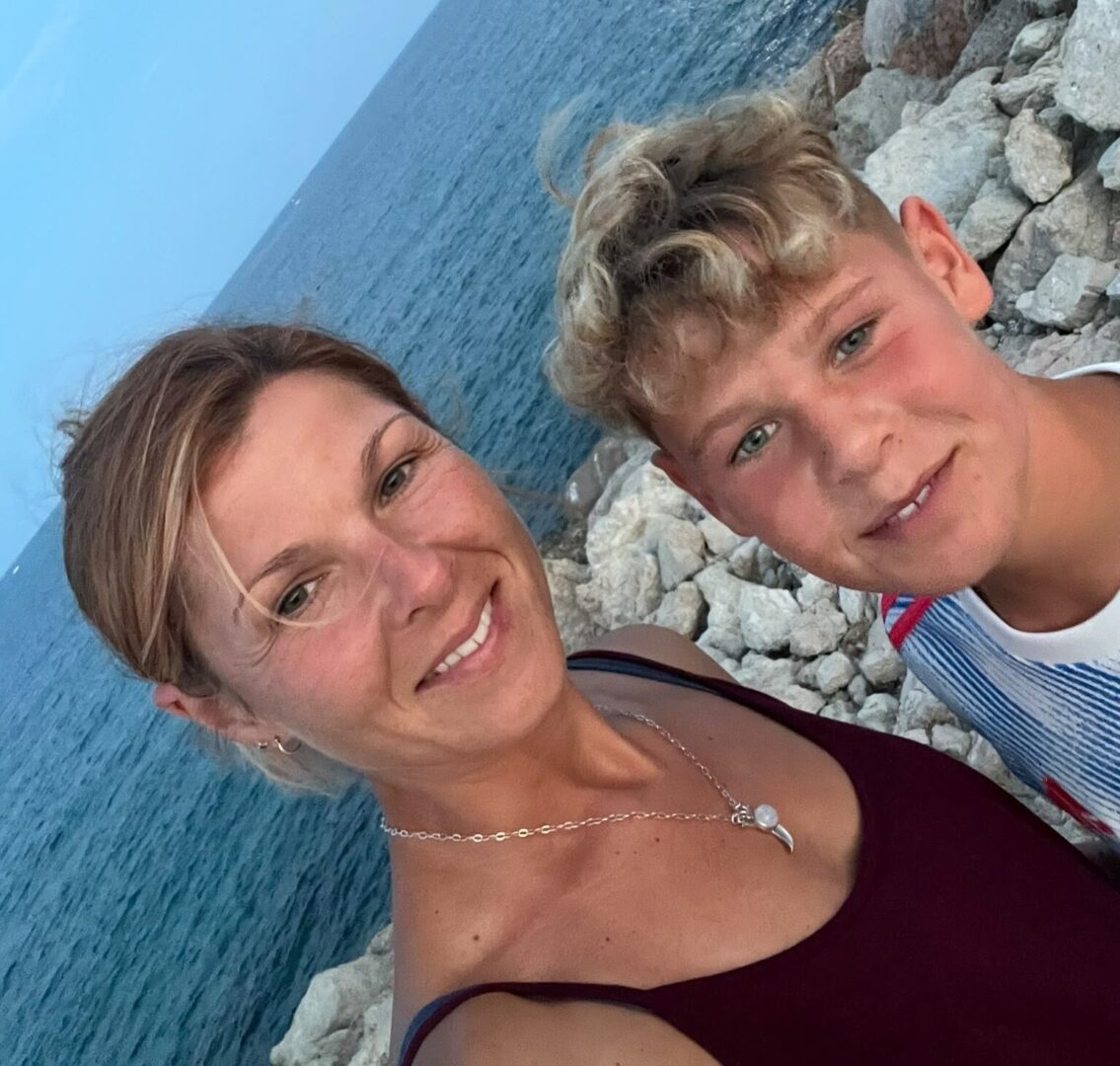
Remembering Harry
It is easy, when talking about a fatal road incident, for the person at the centre of it to become a name in a news report or a statistic. Harry was much more than that. He was an 11-year-old boy with his whole life ahead of him. A son, a friend, a keen footballer, three months into Upper School and a much-loved member of his family.
His absence is felt in everyday moments. Maria remembers walking into a supermarket and seeing a new type of Pringles and instinctively thinking, Harry would love those, before the reality of his loss came rushing back. She also remembers how difficult it initially was to see children walking to school because Harry should have been among them.

Turning grief into action
Maria could have allowed her grief and anger to consume her. Instead, she has chosen to channel that loss into something she hopes will prevent another family experiencing the same devastation. That takes enormous courage. Maria is not speaking about Harry from a place where the grief has been resolved; she is still learning to live with his absence while openly sharing the circumstances that took him from her. She never expected to be doing any of this.
Today, Maria speaks to drivers and businesses about load security and takes part in roadside operations, conferences, workshops and toolbox talks. She has found that Harry’s story can reach people in a way that rules and regulations sometimes cannot. “Health and safety” can become another procedure, another box to tick, another piece of paperwork. Maria makes it real. When she speaks to drivers at roadside checks, she explains what happened to Harry and why they are being stopped. Once they understand the human consequence behind the checks, the message lands differently. Maria wants drivers to understand what is at stake and take responsibility for something that can so easily be overlooked.
The other side of the issue
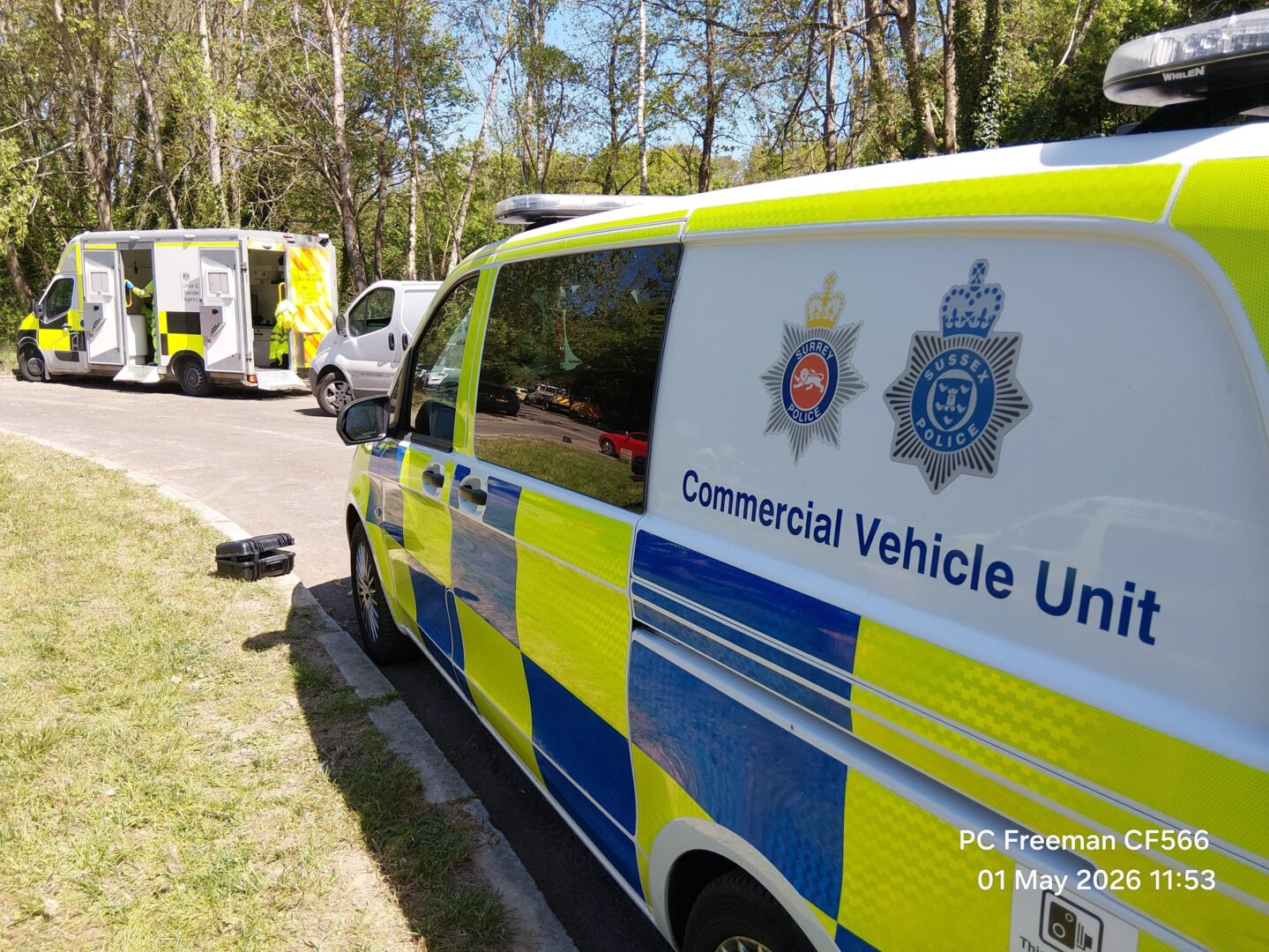
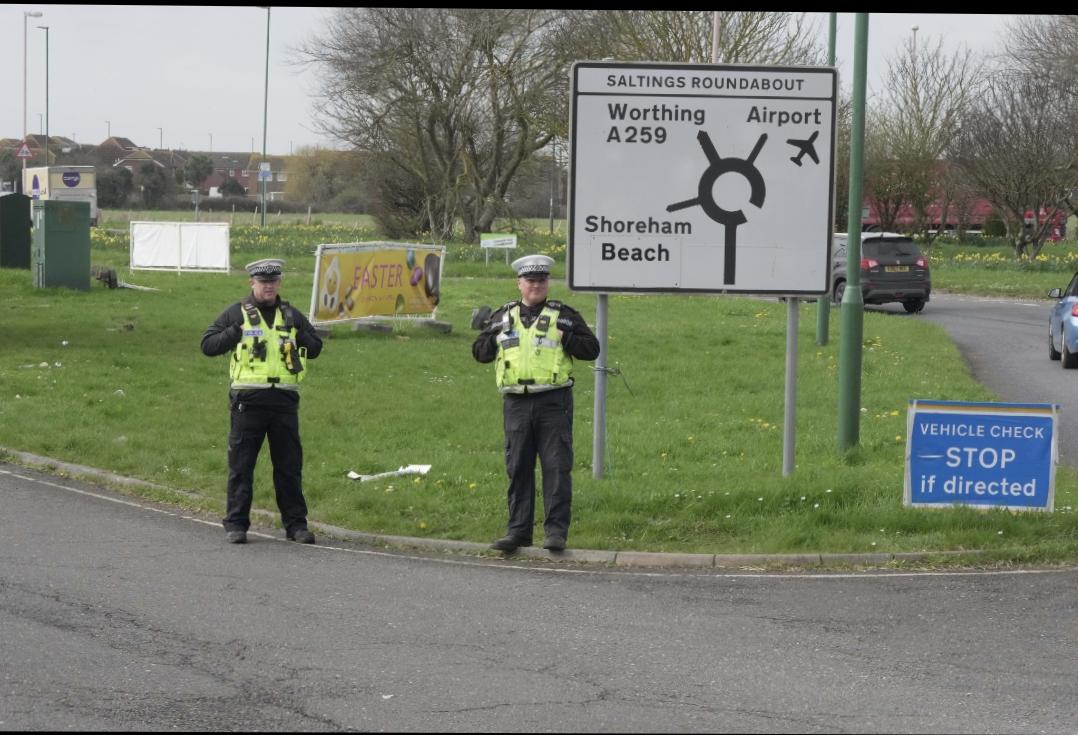
Following Harry’s death, Maria approached the police, determined to help prevent another family experiencing the same loss. Barry Freeman, Commercial Vehicle Police Officer and load security expert, was assigned to support her. What began as that first conversation has since grown into a partnership focused on improving load security and protecting others.
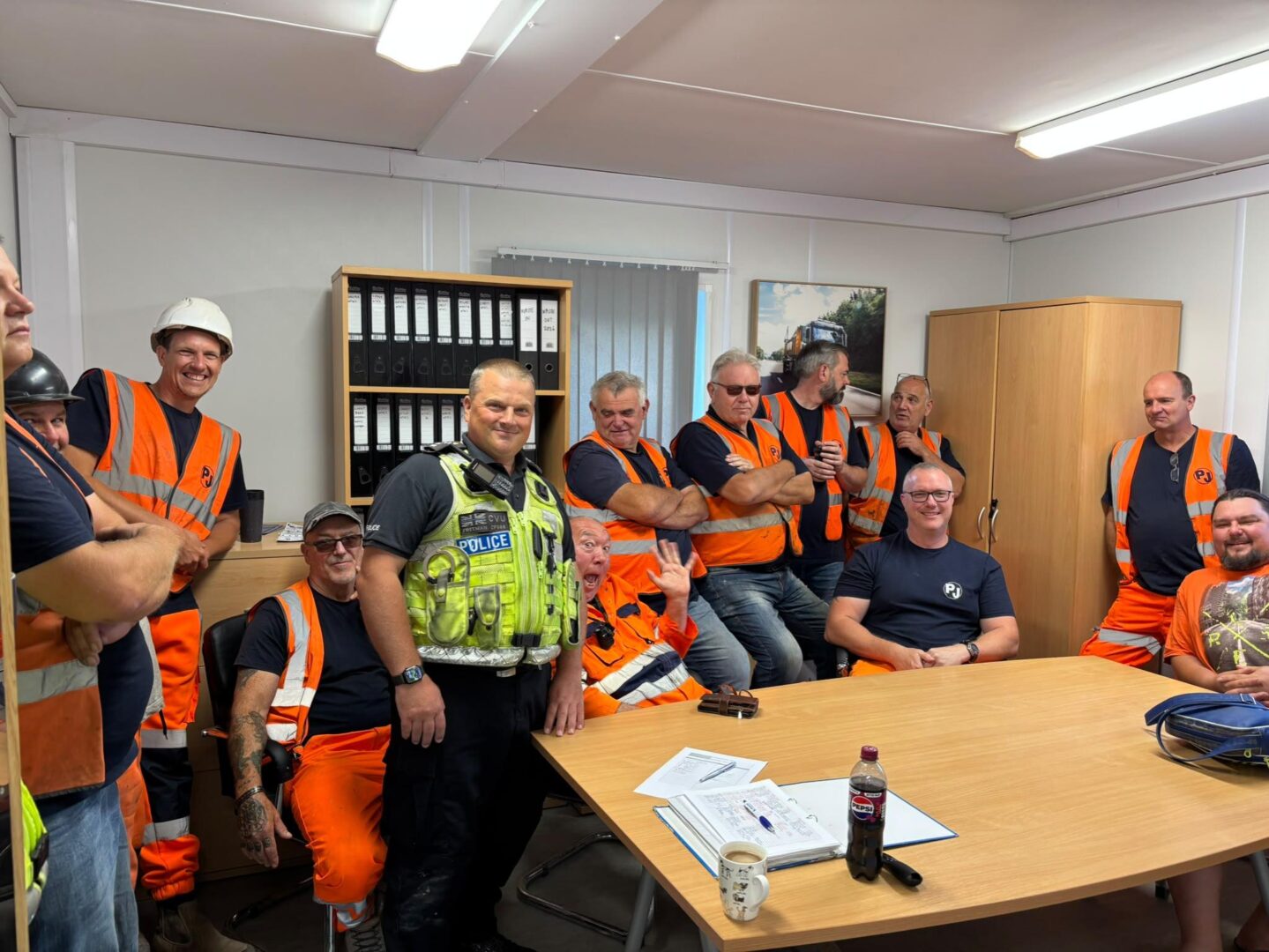
Barry and Maria now work together with businesses across Sussex. Maria bravely shares Harry’s story and the reality of his loss, while Barry brings his experience of the law, health and safety and commercial vehicle enforcement. Together, they challenge businesses and their teams to take responsibility for load security and understand what can happen when it goes wrong.
Barry’s job involves stopping commercial vehicles, identifying dangerous situations and working with drivers and businesses to improve compliance. Two recurring issues, he says, are a lack of training and drivers making decisions they know they should not. Sometimes the equipment is there, the net is there, the straps are there, the procedure exists…. But it is not used. Rain, time pressure, convenience or simply “I’ve always done it this way” can become reasons for taking a shortcut. In one example discussed by Maria and Barry, a vehicle had the necessary net and ratchet straps but they had not been used because the driver did not want to get wet.
One of the most common responses Barry hears is:
“I’ve been doing it this way for 20 or 40 years and it’s never gone wrong.”
That does not mean it is safe. As Maria puts it, sometimes it is simply a matter of luck – until that luck runs out.
Scaffolding is a recurring concern
Scaffolding is one of the areas Barry sees most frequently in relation to insecure loads. Scaffold boards, poles, buckets, clips and other equipment can all become dangerous if they are not properly restrained.
Maria has seen vehicles where the main load appears secure, but loose items remain in the bed. The explanations are familiar: they are below the sides, they are not going to come out, or the net is back at the yard. The problem is that these are assumptions. The same principle applies to timber, ladders, tools, landscaping equipment, construction materials and countless other everyday loads.
For Barry and Maria, the message is simple: a load is not secure because it has always been done that way. It is secure because it has been properly checked and restrained.
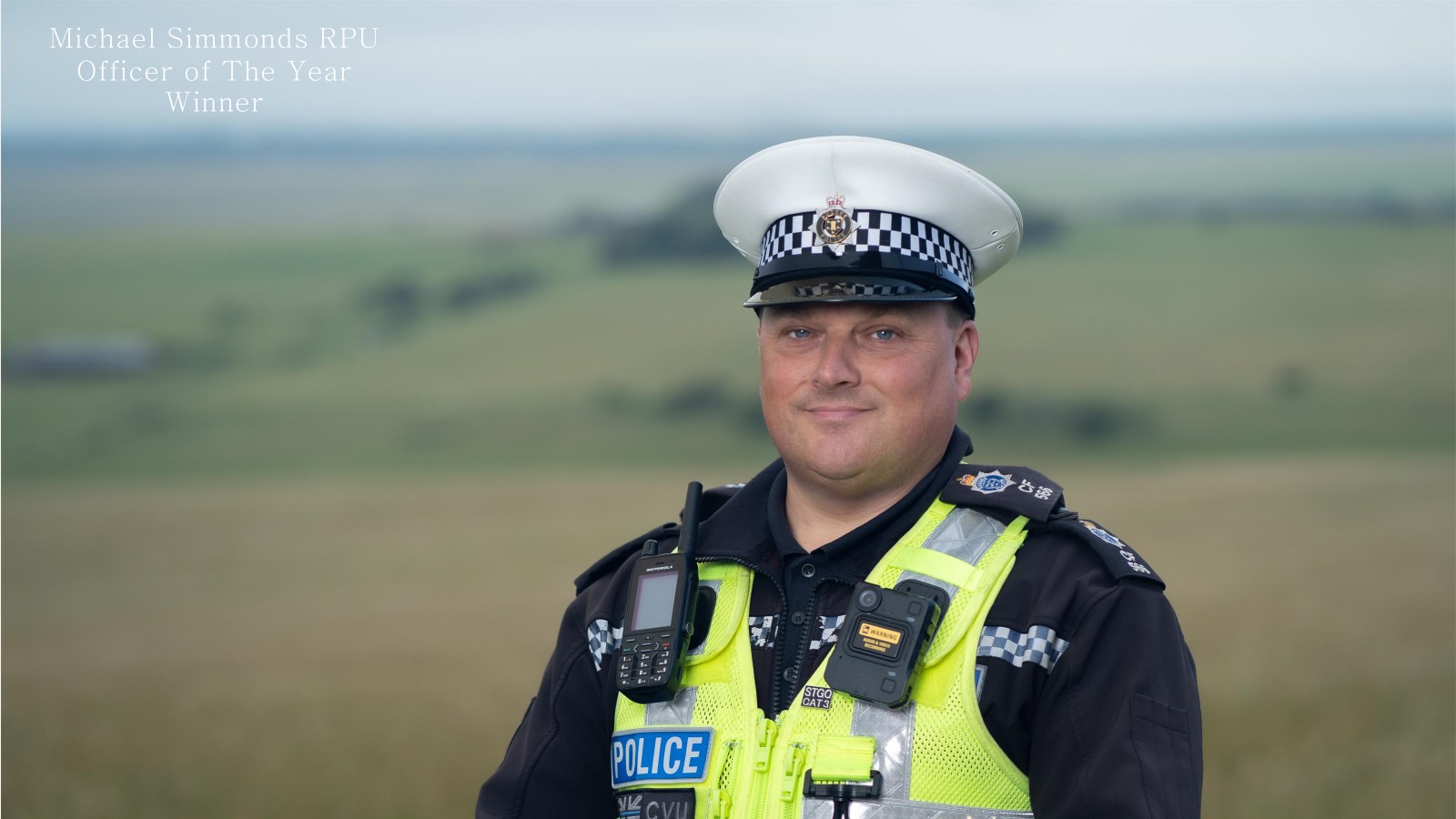
Barry Freeman, Commercial Vehicle Enforcement & Road Safety Officer | HGV Compliance, Load Security & Industry Engagement Specialist
Everyone has a responsibility
So whose responsibility is it? The driver? The person who loaded the vehicle? The transport manager? The company? The responsibility belongs to everyone.
One of the most dangerous attitudes is “I’m just the driver. I didn’t load it.” Drivers need appropriate training and must make sure a vehicle is safe before setting off. Loaders need to understand the requirements. The correct equipment must be available and transport managers and companies need procedures that support people in making the right decisions. Barry describes it as a chain. When something goes seriously wrong, the investigation does not simply stop with the vehicle and driver. It looks back through the operation to understand where that chain failed and what could have been done differently. This is particularly important when a vehicle arrives already loaded or sealed. A driver may not be able to inspect the contents, but clear procedures, load plans and communication between loaders and transport managers still have a role to play.
Load security applies to all vehicle types
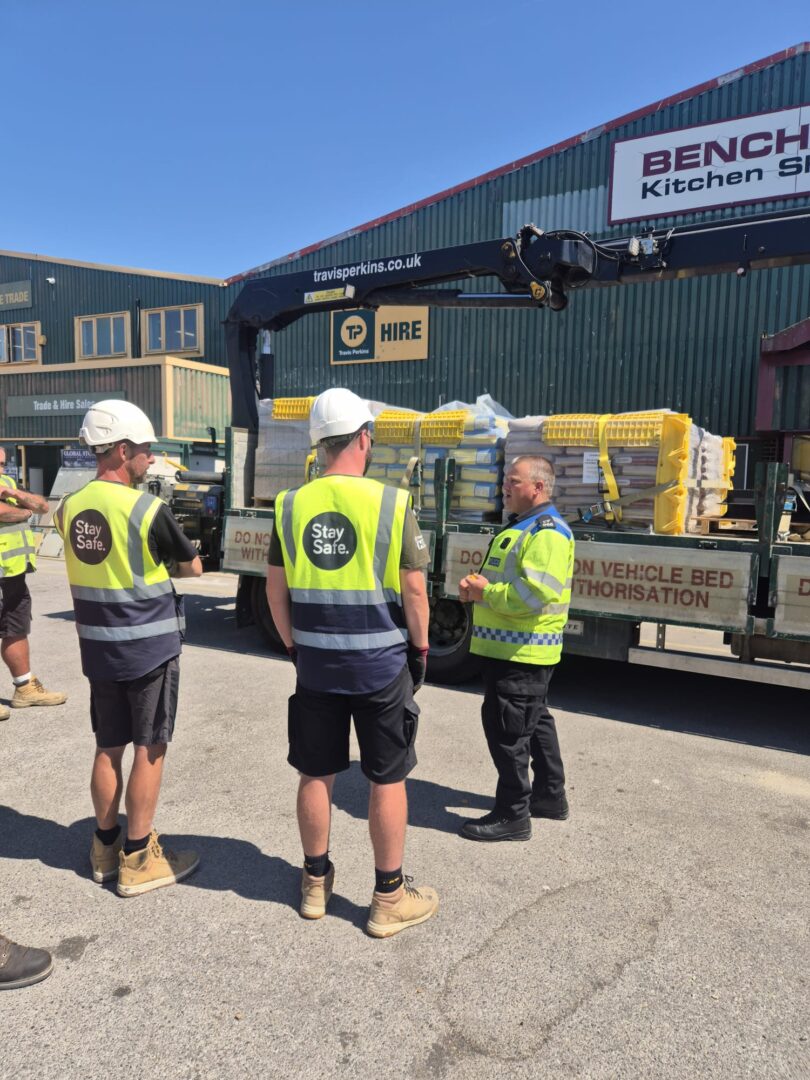
Load security is not exclusively an HGV issue, smaller commercial vehicles present their own challenges. A 3.5-tonne van may be driven by someone with little experience of commercial vehicle loading, particularly when it has been hired for a specific job. A driver might know how to drive the vehicle but not understand its payload, how the load should be restrained or what equipment is required. Barry highlights the importance of understanding the difference between a vehicle’s unladen weight, its maximum permitted weight and the payload available. Even checking the weight of what you intend to carry can prevent a vehicle from being overloaded.
A few minutes can make a lifetime of difference
Maria’s campaigning is to give Harry’s story a purpose. She knows she cannot change what happened to her son, but she can use his memory to make a change and save lives.
So next time you are involved in preparing a load for transit, take a few extra minutes:
- Walk around the vehicle
- Look at the load
- Check the equipment
- Ask whether it is secure
- If something is not right, stop and put it right before setting off
Nobody starts a journey expecting to change another person’s life forever. Harry’s story is a reminder that the decisions made before a vehicle moves can have consequences far beyond the journey itself.
For most people, checking a load is a few minutes before a journey. For Maria, it is a reminder of everything those few minutes can mean.
Take the time. Check the load. Secure it properly.